
Netanyahu seeks mandate in first Knesset election since 2023 war began
Polls indicate no bloc will reach the 61 seats needed for a majority, forcing difficult coalition negotiations or another vote.
By Adrian Flores ·
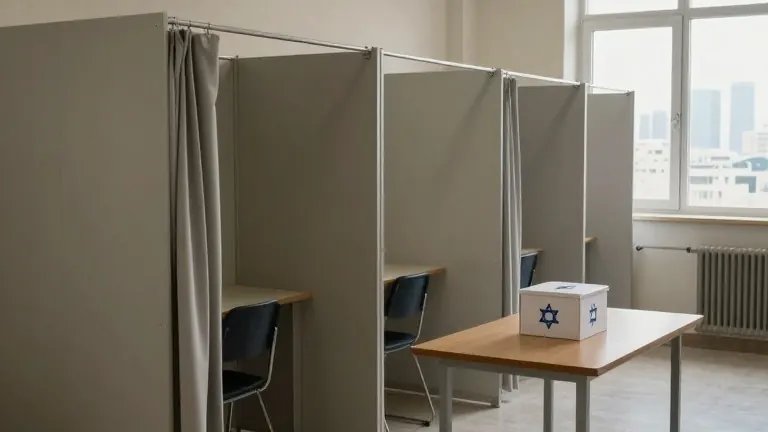
Prime Minister Benjamin Netanyahu faces voters on Tuesday in the first national election since the Hamas-led attacks of October 7, 2023. The vote determines the next government in a state currently engaged in multiple conflicts and facing intense domestic scrutiny. With no clear winner projected in recent surveys, the result sets the stage for complex coalition building.
The race pits two major coalitions against each other for control of the 120-seat Knesset. Netanyahu’s bloc includes his Likud party, the far-right Otzma Yehudi, and religious parties such as Shas and United Torah Judaism. The opposition alliance unites four Jewish-led movements, including the Yashar party of Gadi Eisenkot, the Democrats led by Yair Golan, Avigdor Lieberman’s Yisrael Beiteinu, and the Together alliance of Naftali Bennett and Yair Lapid.
A pre-ban survey by public broadcaster KAN projected the opposition would win 52 seats while Netanyahu’s bloc would secure 50. The remaining seats would go to unaffiliated groups, including the Arab-majority Ra’am and Joint List. Both major coalitions have ruled out partnering with Arab-led parties for now, a move that may necessitate a minority government or a repeat election if neither side reaches the required 61 seats.
Voters are weighing security failures prior to the 2023 attacks against the cost of the ongoing wars. Mairav Zonszein, a senior analyst at the International Crisis Group, noted that secular and liberal opposition factions view this contest as the last chance to save Israeli democracy. Critics also cite the ultra-Orthodox community’s military exemption and Netanyahu’s judicial reform efforts as key factors influencing turnout.
The international environment remains tense. Several allies have sanctioned Israel’s West Bank settlements, and many nations have condemned its military operations in Gaza and Lebanon. During his September 24 address to the UN General Assembly, Netanyahu walked out after dozens of envoys jeered and booed. His personal stakes are high, as he faces corruption charges from 2019 and an International Criminal Court arrest warrant for war crimes.
Approximately 7.3 million Israeli citizens are eligible to vote, including 1.2 million Palestinian citizens of Israel. Polling suggests Arab turnout could reach 60 percent, potentially granting their parties up to 15 seats. The Central Elections Committee recently reversed its ban on the Joint List and Ra’am, though the Supreme Court did remove Balad leader Sami Abu Shehadeh from the race. Netanyahu has framed his rivals as potential partners with Arab parties, a claim that former aide Joseph Mansour says is a strategy to keep him in office as a caretaker if no majority forms.
Source: Al Jazeera