90,000-Passenger Gap at Ben-Gurion as Voters Return for Tuesday
Channel 13 data shows inbound traffic exceeding outbound by roughly 90,000 people between October 17 and 27, a disparity that may equate to two Knesset seats.
By Adrian Flores ·
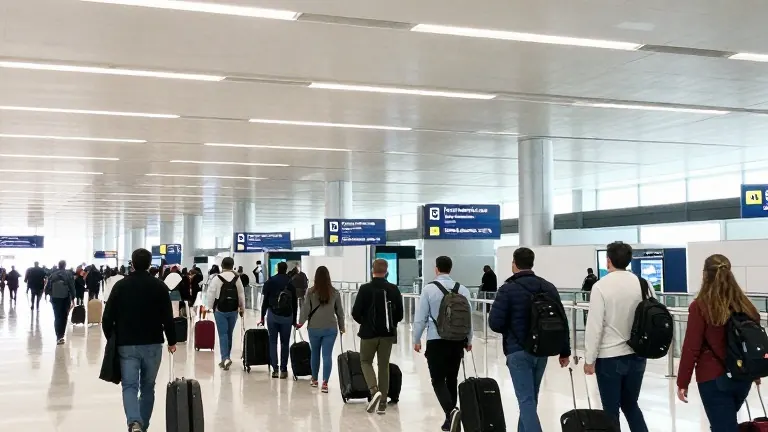
Ben-Gurion Airport recorded a passenger gap of more than 90,000 between October 17 and 27, 2026, with arrivals surpassing departures. Channel 13 reported Sunday that this imbalance reflects a shift in travel behavior ahead of the Knesset elections scheduled for Tuesday, October 27. The data suggests that many Israelis are altering their itineraries to secure their ballots.
Outbound traffic has dropped sharply compared to previous election cycles. Approximately 245,000 passengers left Israel during the specified period in 2026. That figure is lower than the 270,000 departures recorded in 2025 and significantly below the 323,000 departures observed in 2022, the last year Israel held a general election. The decline persists despite an increase in available aircraft and flight schedules in recent years.
Inbound numbers tell a different story. No large-scale airlift or series of special flights was organized to transport voters back to the country. Instead, returning citizens relied on the existing aviation infrastructure. The result is that incoming passengers now outnumber those leaving by a wide margin. In 2025, during the same dates, the gap between arrivals and departures was approximately 77,000. The 2026 figure has widened that difference by more than 12,000 people.
The potential political impact of this shift is measurable. Channel 13 estimated that 90,000 individuals represent the equivalent of two Knesset seats if they are eligible voters casting valid ballots. This calculation matters because Israel uses a proportional representation system to distribute 120 seats among parties. The electoral threshold stands at 3.25% of valid votes. Small changes in turnout can determine whether parties near that threshold secure representation in the next legislature.
The airport data does not confirm that every arriving passenger returned specifically to vote. The figures include children and foreign nationals who are ineligible to participate in Israeli elections. However, the trend aligns with recent surveys. A study by the Fly&Vote initiative, which operates out of the AID Coalition, estimated that about 67,000 Israelis living abroad intended to travel home to vote. That estimate was based on registration data and voluntary surveys rather than confirmed arrivals.
Most Israeli citizens residing overseas cannot vote remotely. They must return to the country to cast their ballots. The Fly&Vote group has assisted overseas residents with the process, though its activities faced restrictions following legal proceedings initiated by the Likud party. Interest in returning was visible as early as August, when organizers arranged dedicated flights from New York and Lisbon to meet demand among the diaspora.
Alon Ben-Gurion, the grandson of Israel's first prime minister, David Ben-Gurion, traveled from the United States to participate in the election. According to Channel 13, he arrived with his family and traveled to Tiberias to cast his ballot. His journey is one example of the logistical steps some overseas residents are taking to ensure their participation in the upcoming vote.
Source: The Jerusalem Post